Extend the Life of Your Pavement with Expert Sealcoating Tips Feb 08, 2026
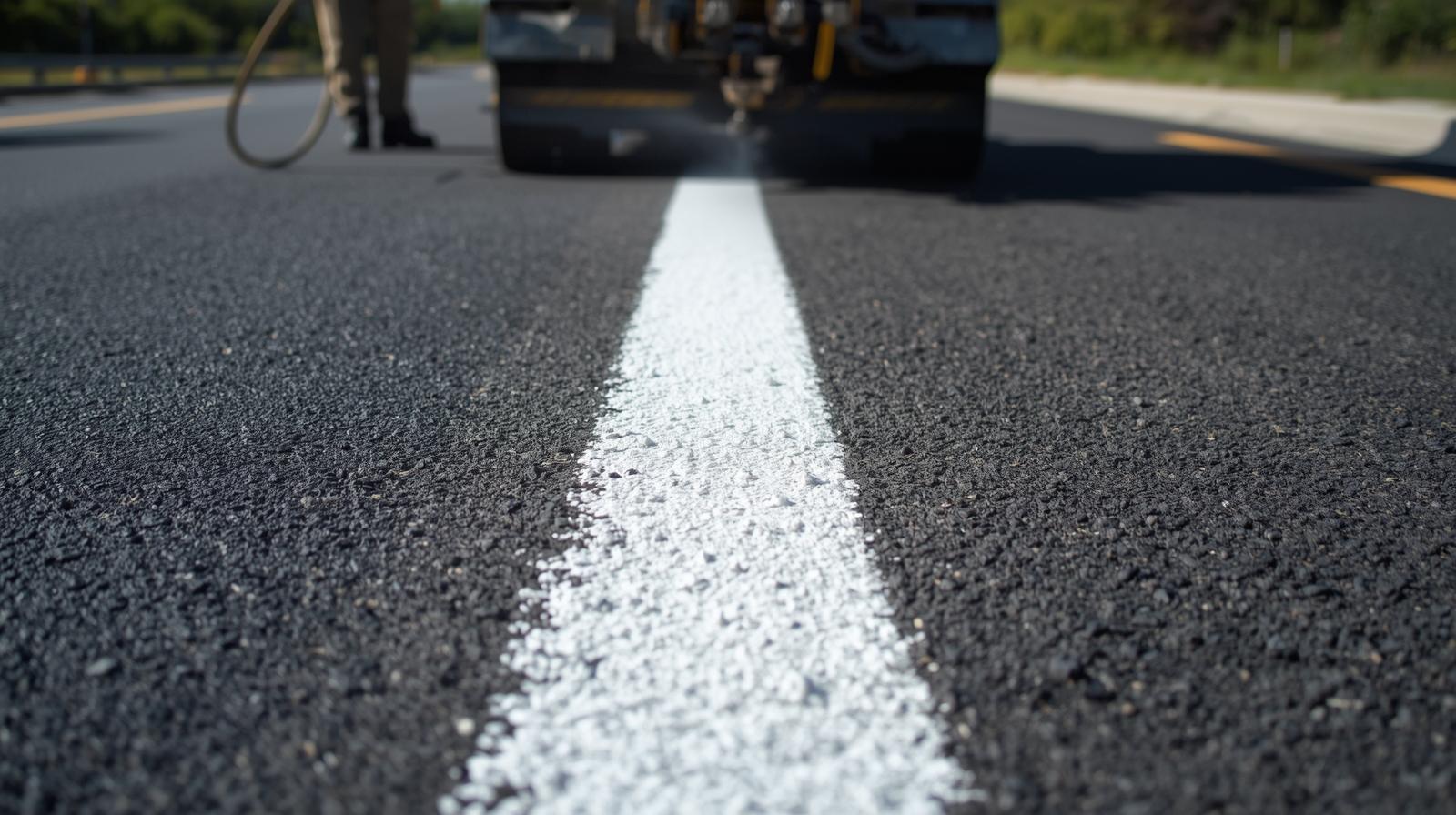
Sealcoating is an essential service for any asphalt pavement, providing a protective layer that shields against water, oil, and harmful UV rays. These elements are known culprits in pavement deterioration. Over time, water seeps into small cracks, causing them to expand and accelerate wear. Sealcoating acts as a waterproof barrier, preventing water penetration and the subsequent freeze-thaw cycles that exacerbate cracks.
Timing is key when it comes to sealcoating. Experts suggest applying a sealcoat every two to three years, although this can vary depending on the traffic and weather conditions your pavement is exposed to. For newly laid asphalt, it’s generally advisable to wait about six to twelve months before applying the first coat. This waiting period allows the asphalt to cure fully, ensuring that the sealcoat bonds effectively.
Preparation is crucial to a successful sealcoating application. Before any sealant is applied, it's vital to thoroughly clean the surface. Remove dirt, debris, and any chemical leaks such as oil stains. Consider using a high-pressure hose or a blower for meticulous cleaning. For oil spots, a specialized cleaner may be necessary to ensure proper adhesion of the sealant.
Crack filling is another vital component of the sealcoating process. Addressing larger cracks prior to applying sealcoat prevents them from worsening. If left untreated, these cracks can lead to potholes, further damaging the pavement structure. A high-quality crack filler can patch these crevices, allowing the sealcoat to create an even and protective finish.
Choosing the right sealcoat is a step that should not be overlooked. There are primarily two types of sealcoats available: coal tar emulsion and asphalt emulsion. Coal tar offers a longer lifespan and excellent resistance against chemical spills, whereas asphalt emulsion products are more environmentally friendly and provide easier application. Assess your specific needs and consult with a professional like VenMor Asphalt Maintenance to determine the best option for your pavement.
After application, proper curing is essential. Typically, a newly applied sealcoat should be left undisturbed for at least 24 to 48 hours. This ensures that the coat has time to harden and provides maximum protection. During this period, keep traffic off the freshly sealed surface to avoid any potential marks or imperfections.
In summary, regular sealcoating not only extends the pavement life but also enhances its aesthetic appeal. By choosing the right products, applying them at the correct intervals, and preparing the surface properly, you can significantly delay the need for costly repairs. Implement these sealcoating tips with the expert guidance of VenMor Asphalt Maintenance and enjoy a durable and visually pleasing pavement for years to come. Investing in professional sealcoating services today will not only safeguard your pavement but also improve the overall value of your property.
/filters:no_upscale()/filters:format(webp)/media/6b88f681-bb44-40dd-b95c-610b9db7bfd5.jpeg)