Understanding Asphalt Resurfacing: When and Why It’s Necessary for Your Pavement Mar 16, 2026
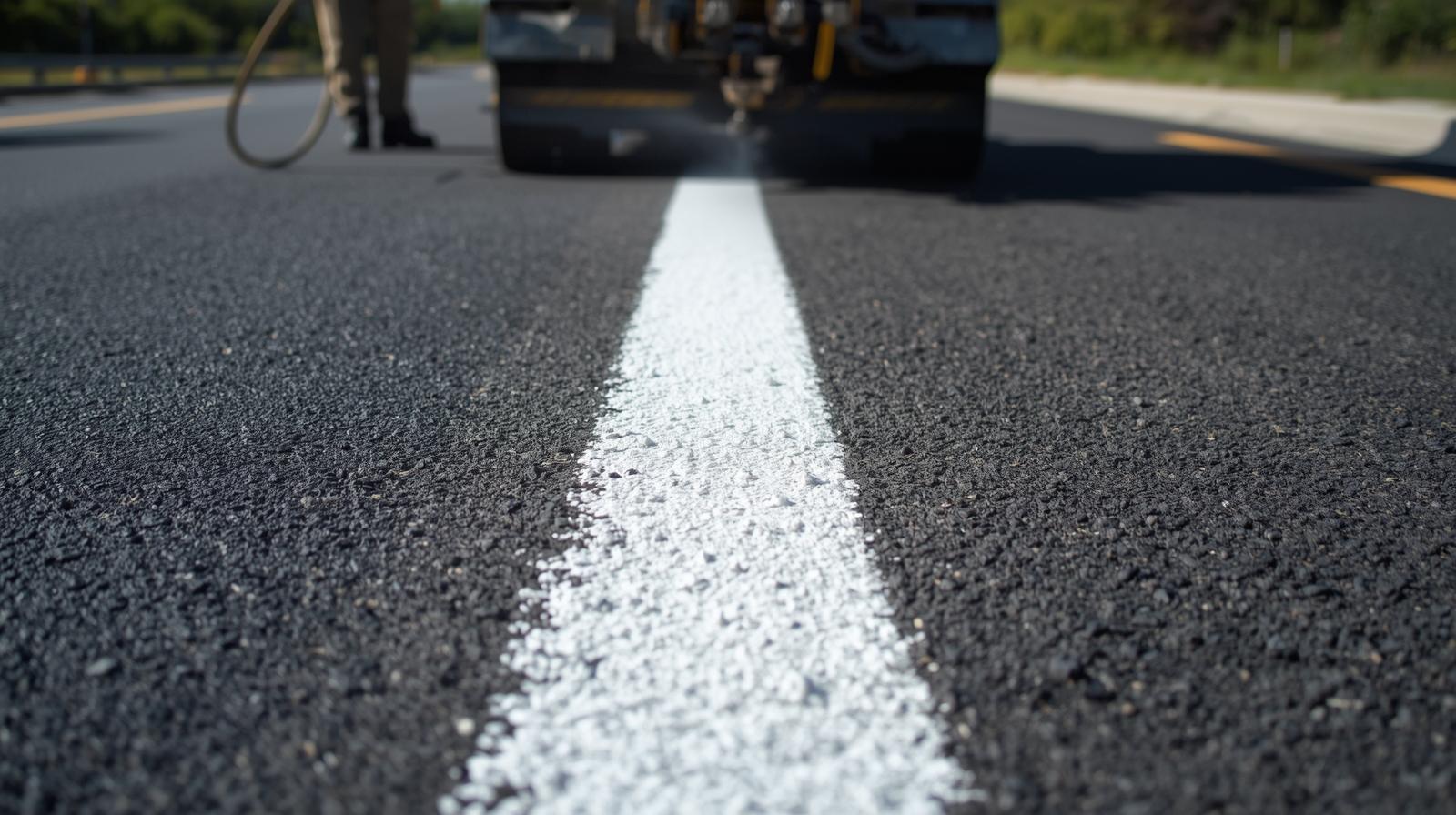
Asphalt, over time, can deteriorate due to a variety of factors including weather conditions, heavy traffic, and natural wear and tear. The most noticeable signs of deterioration include cracking, potholes, and faded lines. These issues not only detract from the outer appearance of your pavement but can also pose safety risks. This is where asphalt resurfacing comes in. Resurfacing, also known as overlaying, involves placing a new layer of asphalt over the existing surface. This process restores the smoothness while extending the lifespan of your pavement.
One of the key reasons to consider asphalt resurfacing is cost-effectiveness. Instead of opting for a complete asphalt replacement—which involves removing the old pavement, preparing the base, and laying new asphalt—resurfacing allows you to refresh your pavement with significantly less investment of time and resources. Under many circumstances, resurfacing can provide the same benefits as replacement. It can also fix minor structural issues before they develop into major problems.
Determining when your pavement needs resurfacing depends on several key indicators. Firstly, assess the extent and severity of cracking. While minor cracks can be achieved through seal coating or crack filling, large interconnected cracks, commonly known as alligator cracks, can signify the need for resurfacing. Additionally, frequent or large potholes are strong indications that resurfacing may be required to prevent further damage.
Another factor to consider is drainage. Improper drainage can lead to water pooling on your asphalt surface. Over time, standing water can penetrate the asphalt and affect its substructure, accelerating deterioration. Resurfacing can aid in adjusting the asphalt's grade and correcting drainage issues, leading to a longer-lasting surface.
The timing for resurfacing is also crucial. Generally, it's best to perform this process during warmer months when asphalt is pliable. Additionally, scheduling resurfacing at a time that causes minimal disruption to your business or daily activities is ideal. This foresight can prevent inconvenient downtimes and unnecessary frustration.
Beyond practical reasons, resurfacing can significantly boost the curb appeal of a property. A resurfaced asphalt surface provides a neat, uniform appearance that conveys proper maintenance and enhances the perception of your property.
At VenMor Asphalt Maintenance, we understand the importance of maintaining the integrity of your pavement. With expert knowledge and years of experience in asphalt and paving services, we guide our clients through every step of the resurfacing process. Our professionals not only ensure excellent workmanship but also strive to educate property owners on preventive measures and maintenance strategies.
Ultimately, regular inspections and timely interventions are crucial for preserving your pavement's longevity. By staying proactive and addressing signs of deterioration early through resurfacing, you can maintain a safe, visually appealing, and cost-efficient surface. Whether you manage a commercial property or a residential driveway, a well-maintained surface speaks volumes about you. Trusting the expertise of a professional service provider like VenMor Asphalt Maintenance guarantees not just quality but peace of mind.
/filters:no_upscale()/filters:format(webp)/media/6b88f681-bb44-40dd-b95c-610b9db7bfd5.jpeg)